


If your DCS refrigerator is running but not getting cold enough, start with airflow, door sealing, settings, and recent operating conditions before assuming a major refrigeration problem.
A DCS refrigerator that is not cooling can range from a simple airflow or door-seal problem to a fan, sensor, control, or sealed-system issue. The most useful first step is to determine whether the entire refrigerator is warm or only one section is affected.
If your appliance is still operating, avoid jumping directly to a parts replacement. Start with the simple conditions you can verify safely, then use the remaining symptoms to decide whether the issue is likely to need professional testing.
More than one condition can be present at the same time. For example, a small airflow restriction can become a noticeable cooling problem during hot weather, or a dirty burner can become difficult to ignite immediately after a spill. The model number and the exact sequence of symptoms matter.
Do not remove energized panels, bypass safety switches, modify gas components, or continue operating an appliance that is leaking, overheating, repeatedly tripping a breaker, or producing a persistent gas odor.
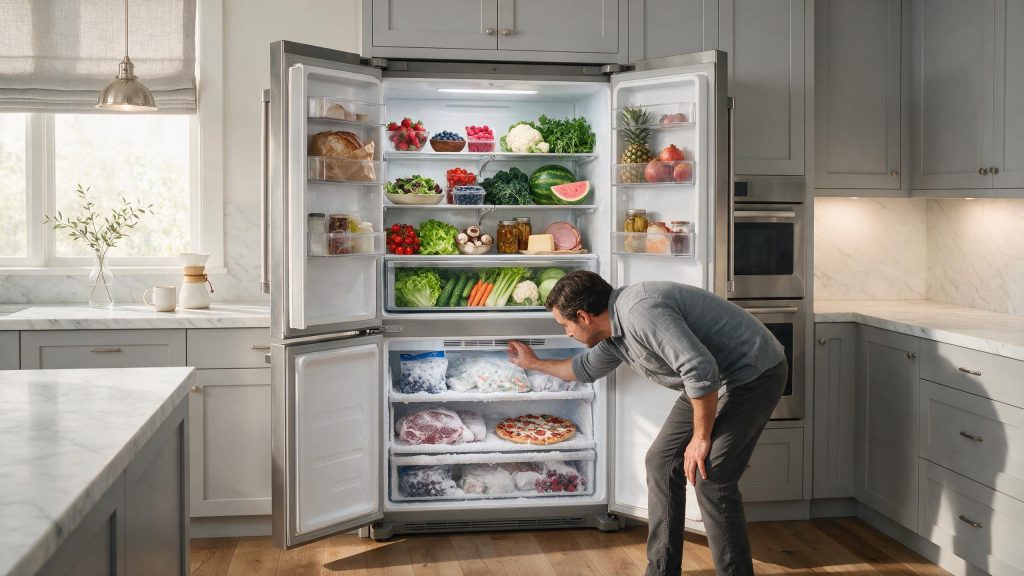
If both the fresh-food and freezer sections are warming, the issue is more likely to involve power, the compressor, condenser airflow, or a system-wide control problem. If one section remains cold while the other warms up, airflow, dampers, fans, or a compartment-specific sensor become more relevant.
This detail is useful because it changes the diagnostic direction. Note what the appliance was doing immediately before the symptom appeared, whether the problem is constant or intermittent, and whether another function still works normally.
A single controlled restart can be useful when an electronic control appears frozen or the problem followed a brief power interruption. Use the normal appliance disconnect, power button, or breaker only when the user guide allows it.
A reset does not repair a recurring mechanical, gas, water, heating, refrigeration, sensor, wiring, or electronic problem. If the same symptom returns after normal operation resumes, repeated power cycling is more likely to delay diagnosis than solve the issue.
If food temperatures are rising, the compressor repeatedly clicks without starting, the breaker trips, or the refrigerator is not recovering after several hours, move perishable food to safe cold storage and arrange service.
Home troubleshooting should stay limited to owner-accessible cleaning, settings, loading, ventilation, visible hoses, cookware, and other checks specifically intended for the user. Internal electrical testing, gas-pressure work, sealed refrigeration work, and powered mechanical repairs require appropriate training and equipment.
The same outward symptom can come from more than one cause. The useful evidence is the pattern: what still works, what changed first, whether the problem is constant or intermittent, and whether it affects one zone or the whole appliance.
Start with owner-accessible conditions and the exact model number. Parts should follow diagnosis, not replace it.
If the basic checks do not change the symptom, a technician can test the relevant refrigerator components under operating conditions instead of replacing parts by guesswork. When you book service, provide the full DCS model number, serial number, any displayed code or light pattern, and a short description of when the problem occurs. That information helps narrow the correct product generation and diagnostic procedure.
Professional diagnosis is especially worthwhile when the symptom is intermittent. A technician can often use model-specific service information, component measurements, and stored diagnostic information that are not available from a visual inspection alone.
DCS refrigerator repair for cooling, fan, sensor, ice maker, water, condensation, and electronic issues across current and legacy models.
Running does not guarantee that cold air is being produced or distributed correctly. Restricted airflow, a fan issue, sensor input, control electronics, or the sealed refrigeration system can all produce this symptom.
One controlled restart may clear a temporary electronic interruption. If temperatures do not begin recovering or the problem returns, repeated resets are not a repair.
If the refrigerator is clearly warming, protect food first. Do not wait for a complete loss of cooling before arranging diagnosis.
When the freezer is cold but the refrigerator section is warm, the cooling system may still be working while airflow into the fresh-food compartment…
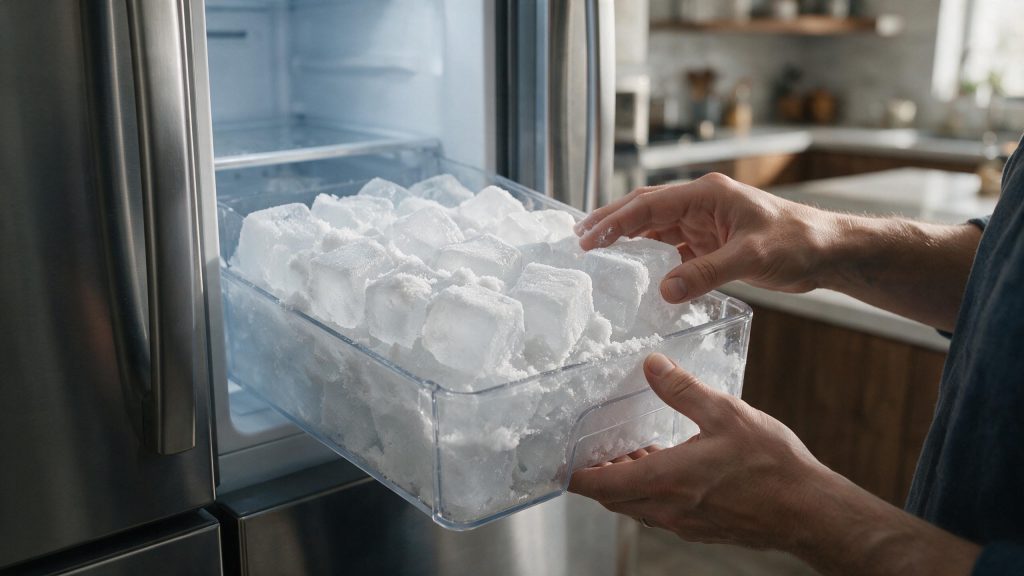
Recurring ice inside a DCS refrigerator or freezer often points to moisture entering the cabinet, restricted airflow, drainage issues, or a defrost-related problem.
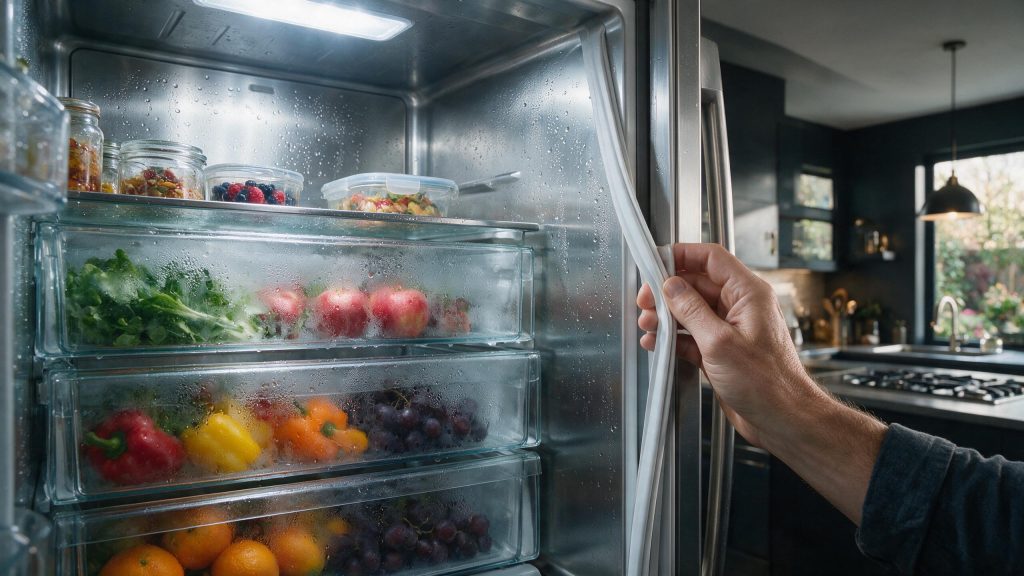
Moisture inside or outside a DCS refrigerator can be caused by humidity, frequent door openings, a poor door seal, or an issue with moisture-control…
Share a few details and we’ll confirm an appointment. Prefer to talk? Call us and we’ll help right away.
Fields marked with * are required.